

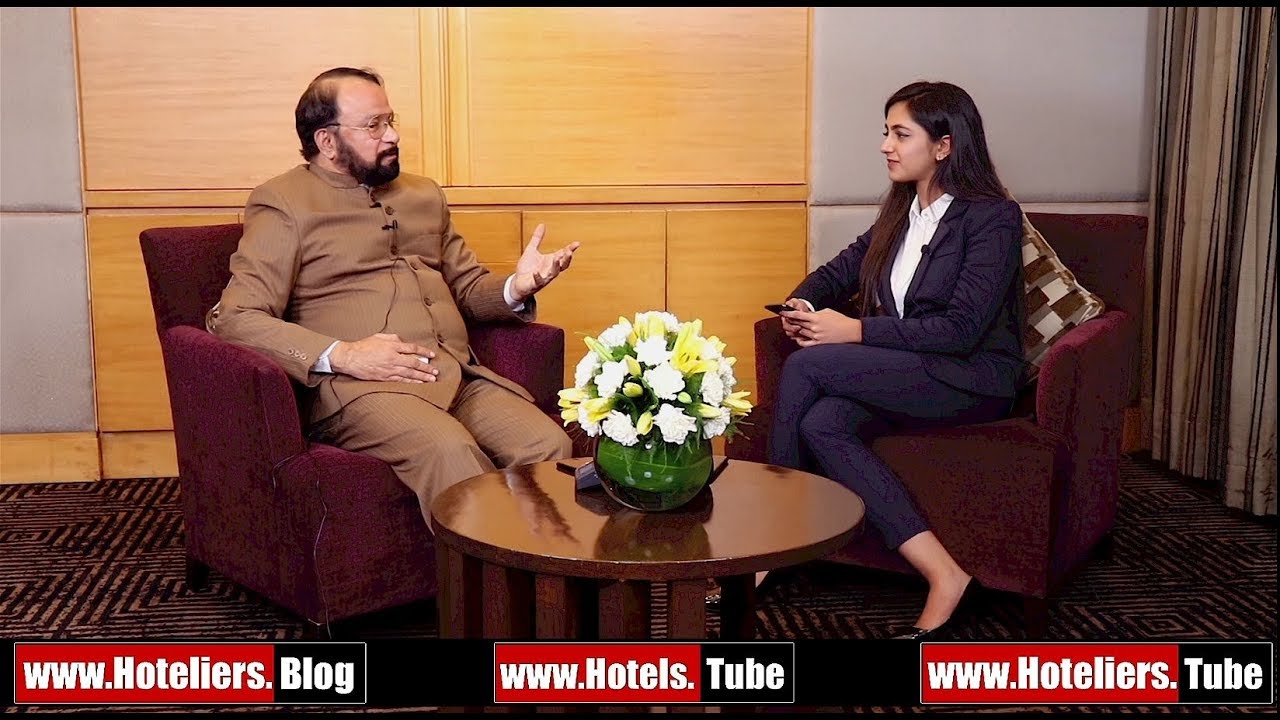


Pioneering Mid-Market Mastery: Patanjali Keswani – The Visionary Behind Lemon Tree's Rise
Discover Patanjali Keswani (Patu), Executive Chairman of Lemon Tree Hotels – the IIT-IIM alumnus who pioneered India’s mid-market hospitality revolution. From one retirement hotel in 2004 to 120+ properties and 20,000+ rooms by 2028, explore his inclusive leadership, 16% disadvantaged workforce, asset-light growth strategy, Aurika upscale brand, Fleur Hotels IPO plans, and the inspiring journey that earned him IIT Delhi & IIM Calcutta Distinguished Alumnus awards

In the bustling corridors of India's hospitality evolution, Patanjali Govind Keswani—affectionately known as Patu—stands as a trailblazing architect of accessible luxury. As Executive Chairman of Lemon Tree Hotels, he has transformed a modest retirement dream into a powerhouse portfolio of over 120 operational properties, with 110 more in the pipeline, democratizing quality stays for the nation's burgeoning middle class. A first-generation entrepreneur armed with IIT and IIM credentials, Keswani's 40-year odyssey—from Tata's corporate echelons to founding a disruptive mid-market icon—embodies resilience, inclusivity, and strategic foresight. This profile, woven from verified public sources like company announcements, Hotelier India features, Economic Times insights, and award records, chronicles his legacy, philosophies, and the inclusive ethos that employs 16% from disadvantaged segments, proving hospitality's power to uplift.
| Category | Key Details | Verified Sources |
| Current Role | Executive Chairman, Lemon Tree Hotels (since October 1, 2025; previously Chairman & MD 2002–2025) | Company announcements, Economic Times (2025) |
| Previous Roles | Senior VP & COO, Taj Group (1983–2000); Associate Consultant/Director, A.T. Kearney (2000–2002) | IIM Calcutta alumni profile, Hotelier India (2023) |
| Education | B.Tech Electrical Engineering, IIT Delhi (1981); PGDM, IIM Calcutta (1983) | IIT Delhi alumni records, IIM Calcutta |
| Geographic Scope | India (core), Nepal, Bhutan, UAE; 120+ operational hotels, 110 in pipeline | BW Hotelier (2025), Franchise India (2025) |
| Key Achievements | Pioneered mid-market segment; 20% revenue growth FY25; National Awards for Disability Inclusion (2011, 2012, 2016); Distinguished Alumni IIT Delhi (2011), IIM Calcutta (2012) | Hotelier India Power List (2023), FHRAI Hall of Fame (2010) |
| Leadership Philosophy | "Build with purpose, resilience, and empathy"; asset-light growth, inclusivity focus | Mint interview (2025), BW Hotelier (2025) |
Profile
Patanjali Govind Keswani is a luminary in Indian hospitality, whose disruptive vision has redefined affordability without compromising quality. Born in Lucknow to an Indian Railway officer father and Indian Army doctor mother, Keswani's formative years instilled discipline and curiosity, propelling him to IIT Delhi for a B.Tech in Electrical Engineering (1981) and IIM Calcutta for a PGDM (1983). A first-generation entrepreneur, he joined Tata Administrative Services in 1983, ascending over 17 years to Senior VP and COO at Taj Group, mastering operations in a luxury behemoth.
In 2002, foreseeing untapped mid-market demand, Keswani founded Lemon Tree Hotels—initially a single-property retirement fund. The inaugural 49-room Gurugram hotel opened in 2004, pioneering "zesty" midscale stays inspired by fresh lemons. By 2018's IPO, Lemon Tree had scaled to 95 hotels; today, as Executive Chairman (transitioned October 1, 2025), Keswani steers a portfolio of 120+ operational properties (10,000+ keys) across upscale (Aurika), upper-midscale (Lemon Tree Premier), midscale (Lemon Tree), and economy (Red Fox, Keys) segments. With 110 in pipeline targeting 20,000+ rooms by 2028 (potentially 30,000–40,000), growth emphasizes asset-light models (70% managed/franchised).
Keswani's hallmark is inclusivity: 16% employees from disadvantaged/disability segments, earning National Awards (2011, 2012, 2016). A NSDC Sector Skills Council member, former SCPwD Chairman, UGC affiliate, and IIT Delhi Board Governor, he blends profit with purpose. Recent milestones include Fleur Hotels' Delhi Nehru Place 5-star win (2025) and expansions in Ayodhya, Guwahati, Morbi. No controversies mar his record; endorsements praise his empathy-driven empire-building.
Career Timeline
- Pre-1983: Early Years (Exact Dates Unavailable): Lucknow upbringing; pursued engineering at IIT Delhi (graduated 1981), followed by management at IIM Calcutta (1983), laying groundwork for corporate ascent.
- 1983–2000: Tata Group Tenure: Joined Tata Administrative Services; spent 17 years rising to Senior VP and COO at Taj Hotels, overseeing operations, strategy, and expansion in luxury hospitality.
- 2000–2002: Consulting Phase: Served as Associate Consultant and Director at A.T. Kearney's New Delhi office, honing market analysis skills that informed mid-market innovation.
- 2002–2018: Founding & IPO Era: Launched Lemon Tree Hotels (September 2002); opened first property (Gurugram, 2004); grew to 95 hotels by IPO (2018), raising funds for inorganic push including Keys Hotels acquisition (2019).
- 2018–September 2025: MD Leadership: As Chairman & MD, navigated COVID recovery; expanded to 120+ hotels, launched Aurika upscale brand; achieved 20% FY25 revenue growth (₹1,286 crore); planned Fleur IPO for debt-free status.
- October 2025–Present: Executive Chairman: Transitioned to focus on strategy, asset-light growth, and succession; oversees 110-pipeline additions, including Bhutan/Nepal resorts and Delhi's 500-room Aurika.
Achievements
Patanjali Keswani's milestones illuminate a trajectory of innovation and impact:
- Disruptive Founding: Pioneered India's mid-market segment with Lemon Tree (2002), growing from one hotel to 120+ operational (10,000+ keys) by 2025; 110 in pipeline, targeting 20,000+ rooms.
- Financial Milestones: FY25 revenue ₹1,286 crore (20% YoY growth); Q4 FY25 net profit crossed ₹100 crore first time; positioned for mid-teen FY26 growth via business travel rebound.
- Strategic Expansions: Acquired Keys Hotels (2019); launched Aurika (upscale, e.g., Mumbai SkyCity, Nehru Place 500+ rooms, 2025); signed 14 contracts, operationalized 5 hotels in FY25; new sites in Ayodhya, Guwahati, Morbi (2025).
- Inclusivity Awards: National Awards for Best Employer of Persons with Disabilities (2011, 2016); Role Model for Barrier-Free Environment (2012); 16% disadvantaged workforce.
- Industry Honors: FHRAI Hall of Fame (2010); SATTE Best Mid-Market Developer (2010); IIT Delhi Distinguished Alumnus (2011); IIM Calcutta (2012); IIHM/IHC Lifetime Achievement (2021); Hotelier India Power List (2023).
- Thought Leadership: NSDC Hospitality Council member; former SCPwD Chairman; UGC/IIT Delhi Governor; keynoted on India 2047 tourism's employment potential (2025).
These feats, drawn from announcements and profiles, cement Keswani's role as mid-market maestro.
Leadership Insights
Patanjali Keswani's ethos boils down to "build with purpose, resilience, and empathy," a creed forged in Tata's rigor and Lemon Tree's reinvention. "Anticipating enormous yet latent demand," he launched mid-market disruption, likening it to aviation's low-cost carriers—quality at accessible prices for India's middle class. In Mint interviews, he champions asset-light models: "70% managed, owning 6,000 rooms max," eyeing Fleur IPO for debt-free agility by 2027.
Inclusivity is non-negotiable: "Wealth without spreading benefits is capitalism without conscience," driving 16% disadvantaged hires and barrier-free innovations earning presidential nods. Amid COVID, his "survive, revive, thrive" pivoted to domestic demand, renovations (Keys portfolio), and tech upgrades, sustaining EBITDA margins. Keswani envisions premiumization: "Hockey-stick growth in mid-market, tip-of-curve in luxury," targeting unorganized sub-40-room segments (1.2M+ rooms) via new brands.
A philanthropist at core, he credits alma maters for grounding: IIT/IIM awards reflect his "extraordinary achievements." As Executive Chairman, Keswani mentors succession—Neelendra Singh as MD (2025)—focusing on 30,000–40,000 rooms. Success? "Not just rooms, but lives touched—guests delighted, associates empowered." His legacy: A resilient, empathetic empire proving hospitality heals divides.
FAQs
- What is Patanjali Keswani's current role at Lemon Tree Hotels? Executive Chairman (since October 1, 2025), focusing on strategy and growth after 23 years as Chairman & MD.
- When and how did Keswani found Lemon Tree Hotels? September 2002, as a single-property retirement plan; first Gurugram hotel opened May 2004, pioneering mid-market.
- What is his educational background? B.Tech Electrical Engineering, IIT Delhi (1981); PGDM, IIM Calcutta (1983).
- What was his role at the Taj Group? Joined via Tata Administrative Services (1983); rose to Senior VP and COO over 17 years.
- Why did Keswani leave Taj to start Lemon Tree? To tap latent mid-market demand for affordable quality, creating a "low-cost carrier" equivalent in hotels.
- How many hotels does Lemon Tree operate under his vision? 120+ operational (10,000+ keys); 110 in pipeline, targeting 20,000+ rooms by 2028.
- What recent leadership change occurred in 2025? Transitioned to Executive Chairman; Neelendra Singh appointed MD & CEO (October 1, 2025).
- What is Keswani's leadership mantra? "Build with purpose, resilience, and empathy," emphasizing inclusivity and asset-light expansion.
- How does Lemon Tree promote inclusivity? 16% workforce from disadvantaged/disability segments; barrier-free environments earning National Awards.
- What growth did Lemon Tree achieve in FY25? Revenue ₹1,286 crore (20% YoY); Q4 net profit >₹100 crore first time; signed 14 contracts.
- Which brands does Lemon Tree encompass? Aurika (upscale), Lemon Tree Premier (upper-midscale), Lemon Tree/Keys (midscale), Red Fox (economy).
- What is the Fleur Hotels strategy? Subsidiary for upscale/uppermidscale; IPO planned for debt-free status; targets 10,000–15,000 rooms.
- What awards has Keswani received for inclusivity? National Awards: Best Employer for Disabilities (2011, 2016); Barrier-Free Role Model (2012).
- How has Keswani contributed to industry bodies? NSDC Hospitality Council member; former SCPwD Chairman; UGC/IIT Delhi Governor.
- What is his vision for India's hotel market? Capture unorganized sub-40-room segment (1.2M+ rooms); premiumization with mid-teen FY26 growth.
- What recent expansions highlight his strategy? Aurika Nehru Place (500+ rooms, 2025); signings in Ayodhya, Guwahati, Morbi; Bhutan/Nepal resorts.
- How did Lemon Tree navigate COVID? Pivoted to domestic demand, renovations, tech; sustained margins via resilient operations.
- What legacy does Keswani aspire to? An empathetic empire uplifting lives, making quality stays generic like "Xerox" for mid-market.
The Enduring Legacy of Patanjali Keswani
Patanjali Govind Keswani's epic is a masterclass in audacious reinvention—a Lucknow lad, son of a railway officer and army doctor, who traded engineering blueprints for hospitality heartbeats, birthing an empire that serves India's dreaming middle class. Picture 1981: a fresh IIT Delhi graduate, circuits still buzzing in his mind, pivoting to IIM Calcutta's management forge. By 1983, Tata Administrative Services beckoned, thrusting him into Taj's opulent orbit. Seventeen years blurred: from junior postings to Senior VP and COO, orchestrating luxury symphonies amid India's liberalization. "I learned operations' soul," Keswani later reflected in Hotelier India, absorbing guest whispers and ledger logics that would fuel his leap.
Yet, 2000 whispered change. At A.T. Kearney's Delhi desk, as Associate Consultant and Director, Keswani dissected markets, spotting a chasm: luxury Tajs for elites, dingy dives for the rest. The 1990s middle-class swell—willing traders of rupees for reliability—demanded more. "They craved quality without excess," he told Business Today, envisioning aviation's low-cost revolution in rooms. September 2002: Lemon Tree Hotels sprouted, a single-property seed for sunset golf. Gurugram's 49-room debut (May 2004) zested the script—crisp linens, citrus scents, midscale magic at economy prices. "One hotel for retirement," he quipped, but fate scripted sequels.
By 2018's IPO, 95 hotels bloomed; Keys acquisition (2019) added midscale muscle. COVID's gale? Keswani's "survive, revive, thrive" anchored: domestic pivots, Keys renovations, tech infusions sustaining EBITDA amid lockdowns. FY25 roared: ₹1,286 crore revenue (20% surge), Q4 net profit breaching ₹100 crore—a milestone etched in Mint exclusives. As Executive Chairman (October 2025 transition), Keswani cedes operations to Neelendra Singh, his MD & CEO heir, retaining strategic reins for 18 months. "Smooth succession, governance gold," he affirmed, eyeing Fleur's IPO for debt-free wings.
Lemon Tree's bouquet—120+ operational (10,000+ keys), 110 pipelined—spans Aurika's upscale allure (Mumbai SkyCity, Nehru Place's 500-room Delhi debut), Lemon Tree Premier's polished mid-up, core Lemon Tree/Keys midscale, Red Fox economy—targets 20,000 rooms by 2028, perhaps 30,000–40,000. Asset-light alchemy: 70% managed/franchised, owning 6,000 max. "Pension funds for assets, non-terminable contracts for control," Keswani strategized in BW Hotelier. Expansions dazzle: Ayodhya's spiritual sojourn, Guwahati's gateway gem, Morbi's Gujarat glow (2025 signings); Bhutan/Nepal resorts threading borders.
Keswani's genius? Empathy's edge. "Capitalism without conscience is hollow," he preaches, embedding 16% disadvantaged hires—disability pioneers earning presidential palms (2011, 2016 Best Employer; 2012 Barrier-Free Role Model). NSDC councils, SCPwD chairmanship, UGC/IIT governorships amplify: "Tourism can solve 50% employment woes," he urged at IIM Calcutta's India 2047 conclave. FHRAI Hall of Fame (2010), SATTE Developer laurels (2010), IIT/IIM Distinguished nods (2011–2012), IIHM Lifetime (2021), Power List (2023)—trophies trace triumph.
Challenges? Kearney honed foresight; Taj tempered trials. Post-IPO, inorganic bets like Keys fortified; COVID's chill thawed by domestic zests. "Mid-teens FY26 growth," he forecasted to Mint, banking on business travel rebound, 70%+ occupancies, premium ARR hikes. Unorganized's 1.2M sub-40-room vaults? A new brand beckons, network effects brewing. Fleur's upscale thrust—10,000–15,000 rooms—promises debt erasure, accelerated ascent.
Keswani's philosophy pulses purpose: "Resilience turns latent to legacy." From Tata's luxury to Lemon Tree's lemony inclusivity, he measures not keys, but kindled lives—guests trading up, associates ascending, communities consoled. "Make mid-market generic, like Xerox," he dreams, a nod to Cadbury's village fame. In boardrooms or bridge games, his Lucknow grit endures: No family hospitality roots, yet roots an empire.
Forward, as Neelendra helms daily dances, Keswani charts constellations—30,000 rooms, debt-free horizons, empathetic expansions. No scandals shadow; acclaim cascades. In hospitality's transient tide, Patanjali Keswani crafts constancy: Stays that refresh souls, not just sheets. For dreamers daring disruption, his ode resonates: Bet on the middle, build with heart, harvest humanity's harvest. Thus, India's inns invite eternally—not as havens, but homes.
What's Your Reaction?
 Like
0
Like
0
 Dislike
0
Dislike
0
 Love
0
Love
0
 Funny
0
Funny
0
 Angry
0
Angry
0
 Sad
0
Sad
0
 Wow
0
Wow
0